March is one of those months when Dubai shows its best face. The temperature is pleasant, the sun shines almost without interruption, and the city buzzes with events you won’t find at any other time. If you’re planning a trip and wondering whether March is a good choice, the answer is simple: yes, and for several important reasons.
Before you pack your suitcase, however, it’s worth knowing that March 2026 is an exceptional year. During this time, Ramadan is taking place across the United Arab Emirates, the Muslim month of fasting that changes the rhythm of the entire city. Not for the worse, but differently. Dubai at night during Ramadan is a completely different, fascinating experience.
What is the weather like in Dubai in March?
If you’re looking for a straightforward answer to the question about the weather in Dubai in March, you’re in luck, it is one of the most predictable months of the year. The sun shines for approximately 10 to 11 hours a day, and rainfall is practically out of the question (1 to 3 mm for the entire month). You can plan every day without checking forecasts.
Temperatures vary depending on the week. At the beginning of March, thermometers show 24 to 26°C during the day and approximately 18 to 20°C at night. This is a climate comparable to a warm European May. In the last week, the mercury climbs to 28 to 31°C, while nights remain pleasant, around 21 to 23°C. Humidity stays at 50 to 60%. The heat in March is comfortable warmth, not stifling stuffiness.
The water temperature in the Persian Gulf in March is 22 to 24°C. Ideal for swimming, noticeably warmer than most European beaches even in the middle of summer. This is one of the arguments for why beach time in this particular month makes the most sense.
Sandstorms – what to expect and how to react?
Towards the end of March, sandstorms, locally known as haboob or chamsin, can occur in the UAE. They are not frequent, but it’s worth knowing how to recognize them and what to do.
A sandstorm looks like a brownish-yellow wall approaching from the direction of the desert. Visibility drops to a few dozen metres within minutes. If you notice such a phenomenon, enter a building or lock yourself in a car with the air conditioning turned off. Cover your mouth and nose with a scarf or buff. Storms typically last from 30 minutes to several hours, after which the air returns to normal. Day to day you can forget about this risk, but it’s worth having a light scarf and tightly fitting goggles in your backpack.
Regardless of sandstorms, the UV Index in March reaches values of 7 to 9. This is a level at which unprotected skin starts to burn in as little as 20 minutes. SPF 50+ sunscreen is not an option, it is a must!
Ramadan in Dubai – what you need to know as a tourist?
In March 2026, Dubai lives to the rhythm of Ramadan. The holy Muslim month runs from approximately 18 to 19 February to approximately 18 to 19 March 2026, and immediately after it, from approximately 19 to 22 March, Eid Al Fitr falls, a four-day celebration marking the end of fasting. This means that practically your entire stay in March 2026 will fall during Ramadan or the first days of Eid.
What is Ramadan? Muslims throughout this entire month refrain from eating, drinking, and smoking from dawn to sunset. For a tourist, this has very specific consequences, and none of them should discourage you from travelling, as long as you know what to expect.
Rules in public places
Eating and drinking in public spaces during the day is legally prohibited during Ramadan. This applies to both residents and tourists. The penalty is a fine or detention by police. You don’t need to be afraid, however: plain common sense is enough. Have breakfast and lunch at your hotel or a restaurant. A snack in the car. Four-star and five-star hotels have designated restaurants for non-fasting guests, open throughout the day.
Alcohol is available, but exclusively in licensed venues in hotels and selected restaurants. During Ramadan, some bars operate with limited hours or are closed entirely.
Iftar – the most beautiful moment of the day
Sunset during Ramadan is the moment the entire city waits for. Iftar is the first meal after a full day of fasting and a tradition you can take part in as a tourist. Many hotels and restaurants organise special iftar dinners, often in the form of a rich buffet. Prices range from 100 to 400 AED per person. The atmosphere is unique: the city comes to a standstill in one moment, and a moment later bursts into life. Book iftar at one of the hotels with a view of the bay, it is an experience you will remember for years.
After sunset, Dubai transforms into a city of the night. Restaurants, shops, and shopping squares are open until 1 to 2 in the morning, and sometimes later. The streets fill with people. This is a completely different Dubai from the one in the tourist brochures.
Between 1:00 and 3:00 in the morning, suhoor takes place, the meal consumed before dawn, the last one before another day of fasting. At this time, cafes and restaurants are full. If you’re a night owl, this atmosphere may fascinate you.
Eid Al Fitr – the end of Ramadan
Eid Al Fitr is four days of celebration. Fireworks, crowds in shopping centres, sales, and special shows at Global Village. The city is exceptionally lively, but it can also be crowded, so plan with extra time, especially if you’re using public transport.
What to do in Dubai in March? The best attractions and activities
What to do in Dubai in March is a question that March answers particularly generously. You have beaches, the desert, iconic buildings, and events to choose from that you won’t encounter at any other time.
Beaches and water – march is the peak of beach season
The pleasant water temperature creates ideal conditions for spending time at the beach. Here are specific beaches worth considering:
- JBR Beach (Jumeirah Beach Residence): free, busy, right next to restaurants and cafes. Great for evening walks and watching the city’s life.
- Kite Beach: less touristy, ideal for water sports: kitesurfing, SUP, beach volleyball. You’ll find food trucks and a great atmosphere here.
- La Mer: modern, Instagram-worthy, with a boutique feel.
- Jumeirah Open Beach: quiet, free, without crowds. Recommended when you simply want to lie back and relax.
Remember: swimwear is accepted exclusively on beaches and by pools. Modest clothing is required on the street.
What’s worth visiting in Dubai in March?
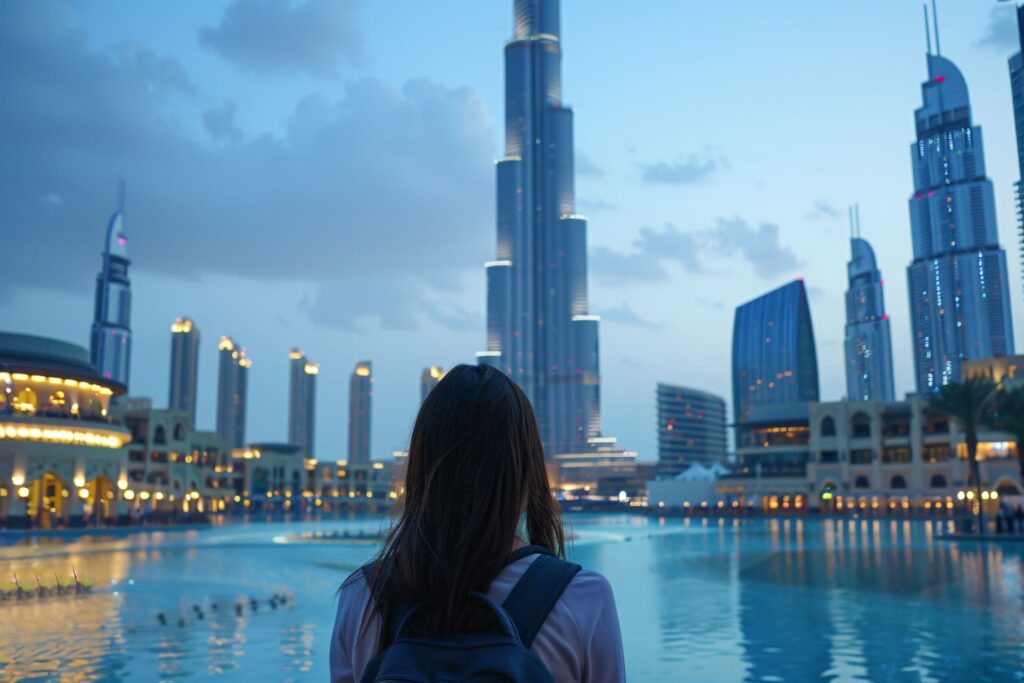
Burj Khalifa is a mandatory point on the itinerary. Book tickets several days in advance, especially in March when the queues are long. Best views: one hour before sunset and just after.
Al Fahidi Historical Neighbourhood is Dubai’s old quarter with coral houses and wind towers. You can spend several hours here without spending a single dirham and learn more about the history of the emirate than from any guidebook. During Ramadan, the area comes alive with night markets.
Dubai Creek and the traditional abra boat: for approximately 1 AED you can cross the Creek from Deira to Bur Dubai, just as merchants have done for the last hundred years.
Palm Jumeirah in the evening, meaning the view from The View at The Palm. The place is particularly impressive at dusk.
During Ramadan, many museums and cultural attractions have extended night-time opening hours.
How to get around Dubai in March?
The choice of transport is important, as it will determine the pace and comfort with which you explore the city.
Metro Red and Green Line
This is the fastest option on the routes from DXB airport to the city centre and Dubai Marina. The Nol card is purchased at the airport or at any station (approximately 25 AED including deposit). A single ticket costs 2 to 7 AED depending on the zone. During Ramadan, the metro is more crowded after iftar, from approximately 19:00 to 22:00.
Taxi
Safe, metered, available 24 hours a day. Starting fare approximately 5 AED, then approximately 2 AED per km. The RTA Dubai or Careem app works flawlessly.
Car Rental in Dubai
This is a very sensible option, especially if you want to reach places beyond the standard tourist routes. A driving licence issued in the EU is recognised. If you want to experience an adventure behind the wheel as well, take advantage of the car rental offer in Dubai from Modena!
Holidays in Dubai in March are worth every Dirham
March is a month that in Dubai combines excellent weather with an exceptional events calendar. You have a beach with water temperatures above 23°C, the desert still accessible in comfortable conditions, iconic buildings without the summer heat, and the unique experience of Ramadan and Eid Al Fitr.
The key to a successful trip is good preparation: book your hotel and tickets in advance, pack more modest clothing for the city, and stock up on SPF 50+ sunscreen.
Frequently asked questions about Dubai in March
Is it worth going to Dubai in March?
Yes, March is among the best months weather-wise. The temperature is ideal for both sunbathing and active sightseeing. In 2026, it is additionally worth factoring in Ramadan and adjusting your plans to the rhythm of the city.
What is the weather like in Dubai in March?
During the day 24 to 31°C (increasing throughout the month), at night 18 to 23°C. Rainfall practically zero. Sea water temperature 22 to 24°C, comfortable for swimming. UV Index high: 7 to 9.
Does Ramadan get in the way of tourists in Dubai?
No, provided you know how to behave. Eating in public places during the day is prohibited, alcohol is available exclusively in hotels and licensed restaurants. In the evenings, the city is more lively than in other months.
What to do in Dubai in March in the evenings?
The fountain at Dubai Mall, JBR The Walk, iftar at a hotel restaurant, desert safari with iftar at a camp, Global Village (open from dusk), and on 28 March: the Dubai World Cup at Meydan.