
The history of the Range Rover brand begins not with its launch, but with an idea that for years seemed impossible to realize. The goal was to combine the luxury of a limousine with the capabilities of an off-road vehicle. Today, we know that such a car was created and transformed the entire SUV segment.
The Origins of the idea and the birth of the Velar project
Land Rover engineers had been working on the concept for a new vehicle since 1966, although the idea itself had emerged even earlier, in the late 1940s. At that time, the market was divided into two distinct worlds – luxury passenger cars and rugged off-road vehicles. No one was offering a single car that combined both of these characteristics.
The prototype was named VELAR, an acronym for “Vee Eight LAnd Rover” – meaning a Land Rover with a V8 engine. Before the final name was settled, the names Panther and Leopard were also considered. The final name, Range Rover, was coined by the company’s designer, Tony Poole, and Land Rover purchased the V8 engine from the American manufacturer Buick.
The first-generation model debuted in 1970
The first car was built between November 24 and December 16, 1969, and was registered on January 2, 1970 – half a year before its official debut. Its first owner was Michael Furlong, the creator of the brand’s promotional films. The car was powered by a 3.5-liter V8 engine producing 135 KM, and its permanent four-wheel drive and coil-spring suspension ensured excellent handling both off-road and on paved roads.
The three-door body and synchronized transmission were a true innovation at the time. The media quickly recognized this combination of comfort and functionality, and the car achieved cult status within its first few years on the market.
How did the Range Rover Classic evolve?
The model, later known as the Range Rover Classic, remained in production for a full 24 years – a feat that no car today is likely to match. The five-door version went on sale in 1981, and the engine displacement gradually increased from 3.5 to 3.9, and later to 4.2 liters. The car also proved itself in off-road rallies, including the demanding Paris–Dakar Rally.
The most significant proof of its importance to design, however, came from a completely different angle. The first generation found its way into the Louvre in Paris as an exhibit – it is the only car to have earned the status of a work of art at such a prestigious institution.
The Second Generation P38A
In 1994, the model designated P38A made its debut. The body took on more rounded shapes, and the interior was enhanced with leather, wood, and new electronics. This was linked to the brand’s acquisition by the German BMW Group, which had a positive impact on build quality and technology. The Range Rover began to resemble a luxury sedan more and more, though it did not lose its off-road capabilities.
The Third Generation L322
The year 2002 brought the L322 model, designed under the supervision of BMW engineers, even though the brand had already been formally acquired by Ford. The interior underwent a true revolution – digital gauges and advanced multimedia systems made their debut. In the following years, the car underwent facelifts, including in 2005, 2007, and 2009, gaining new headlights, bumpers, and camera systems.
The Fourth Generation L405 and Expansion of the Model Lineup
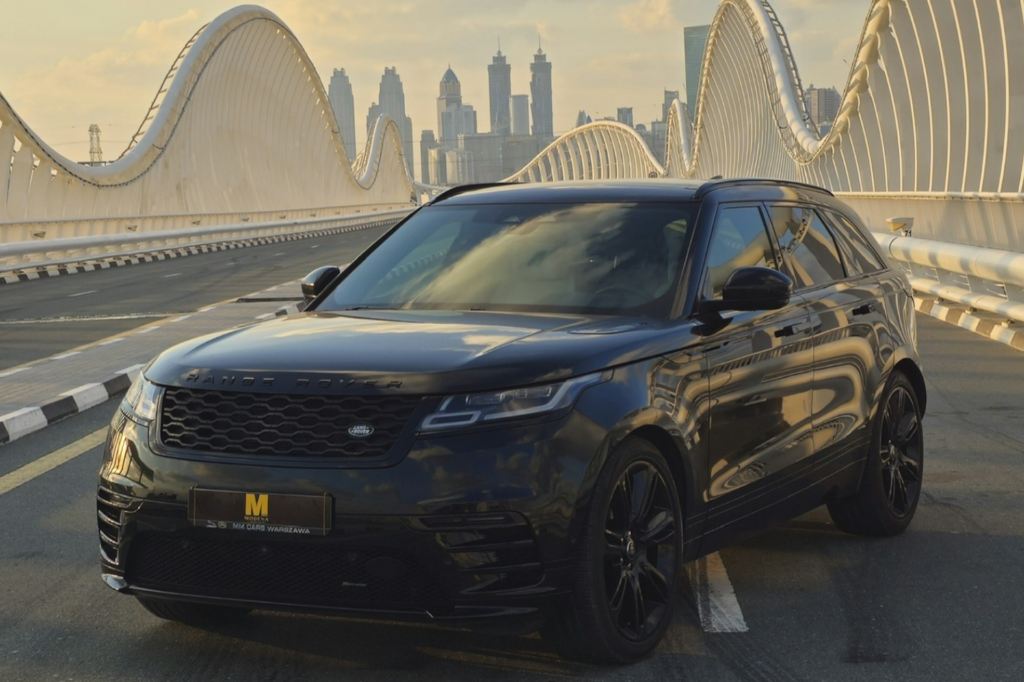
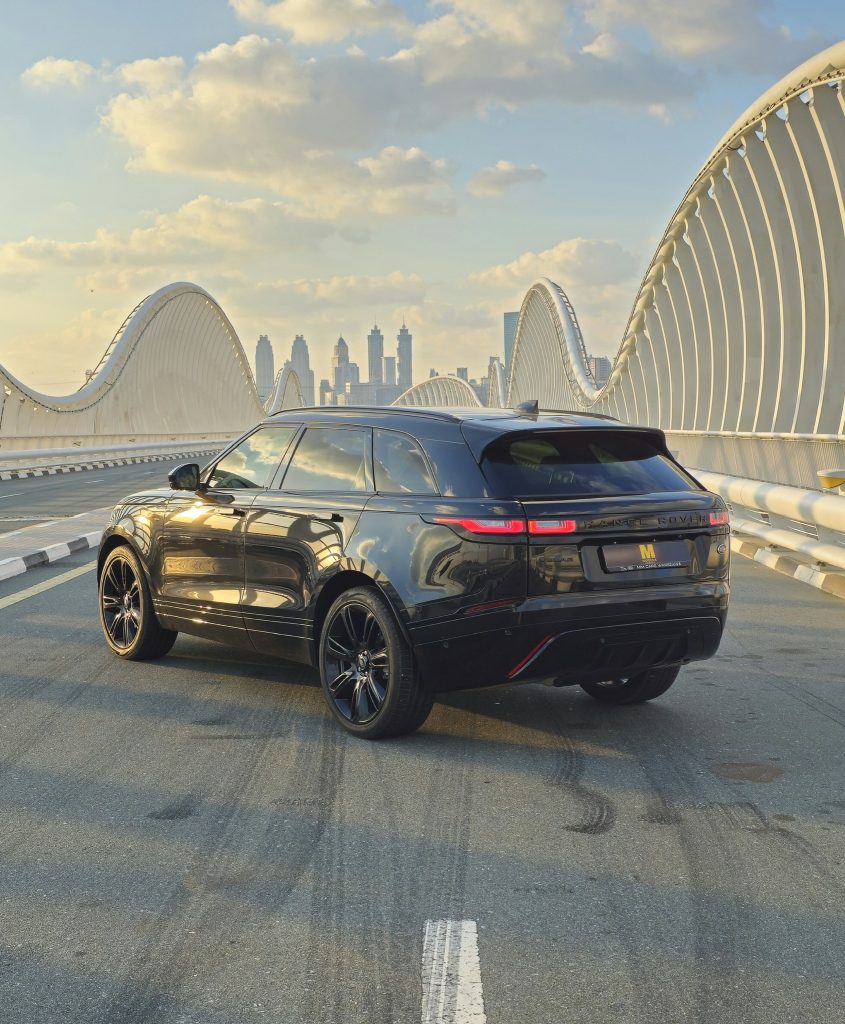
The 2012 debut of the L405 introduced a lightweight aluminum body, which improved performance and reduced fuel consumption. At the same time, the brand’s model lineup continued to expand. In 2011, the compact Evoque made its debut, followed in 2017 by the Velar, a model positioned between the Evoque and the flagship Range Rover. It’s worth noting that this is a completely different Velar than the 1970 codename – the name returned years later as a full-fledged model.
The Fifth Generation L460 and new technologies
The fifth generation, designated the L460, has been in production since 2022. The car is built on the new MLA-Flex platform, which has increased the body’s torsional rigidity by half compared to its predecessor. The brand is also developing plug-in hybrid powertrains and has announced upcoming all-electric versions. The Terrain Response system, a staple across the entire model lineup for years, automatically adjusts the vehicle’s settings to the type of terrain.
Range Rover: an icon of design and status
Its recognizable silhouette and high-quality craftsmanship have made the Range Rover synonymous with prestige for decades. Its appearances in films and among celebrities have reinforced this image, and an exhibition at a Paris museum has permanently enshrined the brand in the history of industrial design.
From the codename “Velar” to an electric future – the history of the Range Rover brand spans more than five decades of continuous evolution. Each successive generation has shared the same DNA: comfort and off-road capability in a single vehicle.